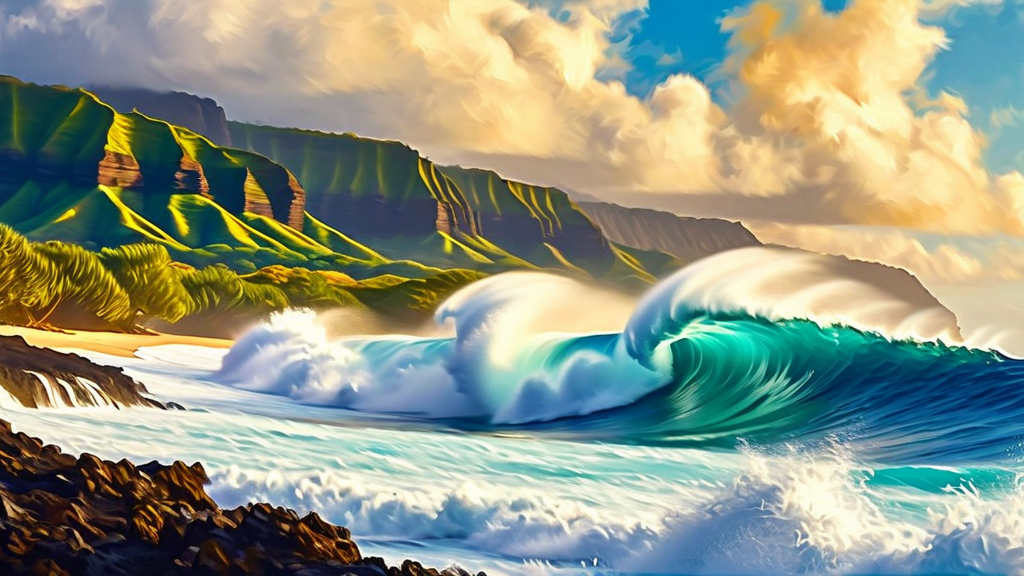
6-Day Oahu Itinerary
Free Beaches, Hikes & Local Culture (2026)
Free 6-day Oahu itinerary for 2026 — go beyond the tourist trail with local neighborhoods, hidden restaurants, hiking, and authentic Hawaiian experiences.
This 6-day Oahu itinerary goes deeper than the typical tourist highlights. Six days lets you cover the main attractions — Diamond Head, Pearl Harbor, Hanauma Bay — and still have time to explore local neighborhoods, eat at hole-in-the-wall plate lunch spots, hike lesser-known trails, and experience a side of the island most visitors never see.
6-Day Oahu Itinerary: Landmarks, Local Neighborhoods & Everything In Between
This itinerary covers the full island — from Pearl Harbor and Hanauma Bay to the North Shore shrimp trucks and walkable neighborhoods like Chinatown, Kaimuki, and Kailua. It's built for a group of friends who want a mix of iconic spots and places locals actually go, without rushing through everything.
Quick Trip Overview
- Best time to visit: April–June or September–October (fewer crowds, lower rates, good surf and swim conditions)
- Ideal for: Groups of friends who want landmarks plus local flavor, beaches plus neighborhoods
- Home base: Waikiki — central, walkable, easy access to the freeway for day trips
- Getting around: Rent a car. Oahu's bus system works, but a car gives you flexibility for North Shore, Kailua, and early morning starts
- Approximate daily budget: $150–$250/person (includes food, activities, and shared car costs)
Critical Bookings
Reserve these before you leave home:
- Hanauma Bay — Online reservations open 2 days in advance at 7:00 AM HST. Slots fill within minutes. Set a reminder.
- Luau — Book 1–2 weeks ahead, especially for Friday or Saturday nights
- Pearl Harbor / USS Arizona Memorial — Free but timed-entry passes are required; reserve online at least 1–2 weeks ahead
- Diamond Head Summit Trail — Advance online reservations required; book at least a few days out
- Rental car — Book early, especially for travel during peak season or holidays
The Itinerary
Day 1: Arrive, Orient, Waikiki & Kapahulu
Morning
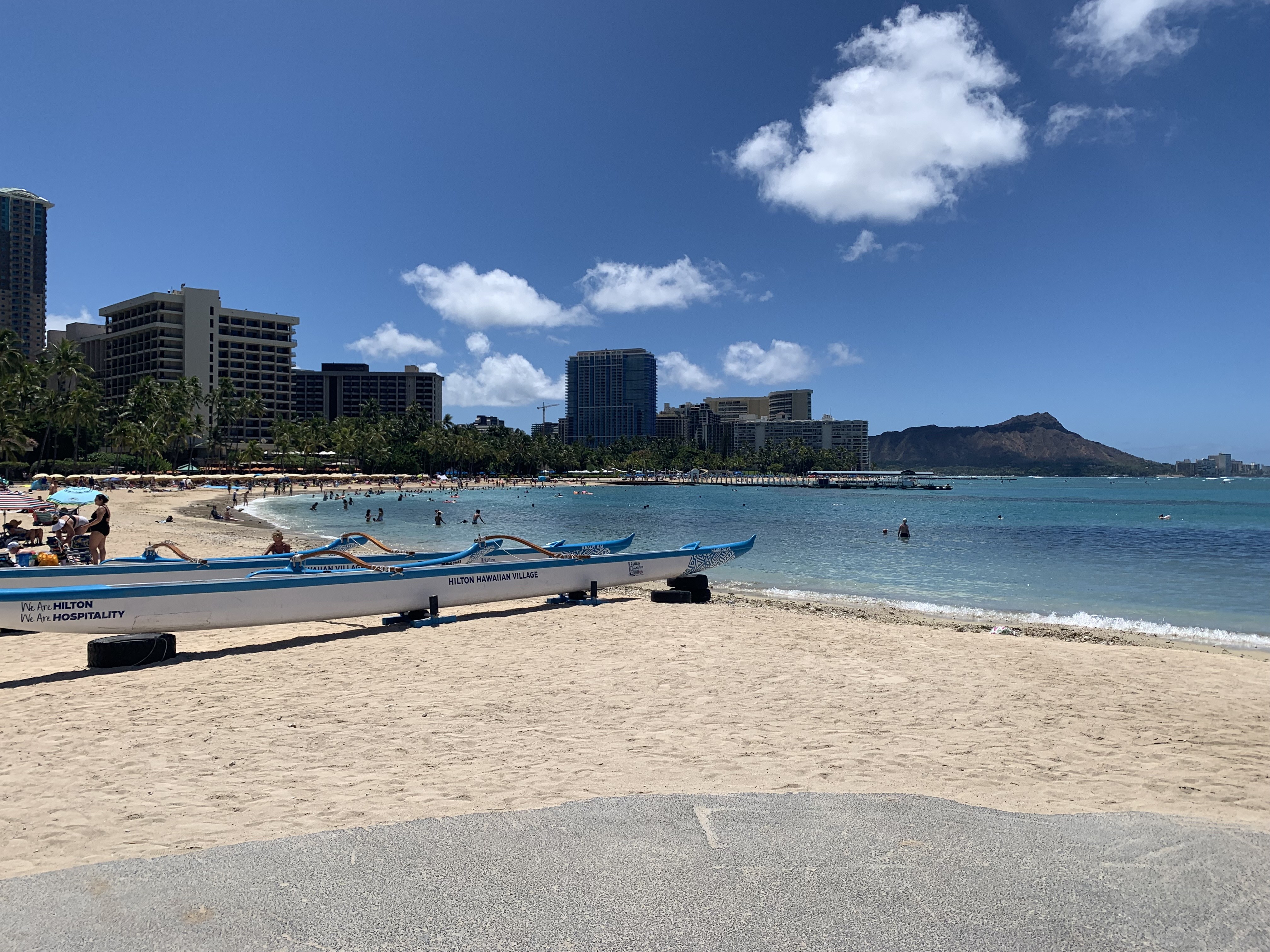
- Waikiki Beach — Drop your bags, get in the water. Walk the strip from the Kapahulu Groin toward Diamond Head to get your bearings before the crowds build.
- 📍 Waikiki
- ⏱ 1.5–2 hours
- ⚠️ Shore break near the Kapahulu Groin can knock you down unexpectedly. Don't turn your back on the waves.
Afternoon
- Kapiolani Park & Honolulu Zoo area — Walk through the park, stretch your legs after the flight, and explore the Waikiki end of the neighborhood. Low-key and free.
- 📍 Waikiki / Kapahulu
- ⏱ 1–1.5 hours
Evening
- Kaimuki neighborhood walk — Head up to Waialae Avenue for dinner. Kaimuki is one of Honolulu's best dining neighborhoods — small, walkable, and genuinely local.
- 📍 Kaimuki
- ⏱ 2 hours
Eats
- Breakfast: Bogart's Cafe — Casual Waikiki spot near the zoo; good acai bowls and breakfast plates
- Lunch: Ono Seafood — Small, no-frills poke shop in Kaimuki; one of the best on the island
- Dinner: Mud Hen Water — Creative local cuisine on Waialae Ave; shares well for a group
Day 2: Diamond Head & Chinatown
Morning
- Diamond Head Summit Trail — 1.6-mile round trip hike to the crater rim with panoramic views of Waikiki and the coastline. Go early — it gets hot fast.
- 📍 Diamond Head
- ⏱ 1.5–2 hours
- ⚠️ The trail includes steep stairs and unlit tunnels. Bring water and a flashlight or phone torch. Sun exposure is intense on the exposed sections — wear sunscreen and a hat.
Afternoon
- Chinatown Honolulu — Walk the blocks around Hotel Street and Maunakea Street. Browse the lei stands, fresh markets, art galleries, and hole-in-the-wall shops. This is one of Honolulu's most interesting and undervisited neighborhoods.
- 📍 Chinatown, Honolulu
- ⏱ 2–3 hours
Evening
- Nuuanu Avenue bar crawl — Chinatown has a solid bar scene along Nuuanu Avenue. Good spot for a group to bar-hop before or after dinner.
- 📍 Chinatown, Honolulu
- ⏱ 2–3 hours
Eats
- Breakfast: Cafe Kaila — Beloved breakfast spot in Market City; known for pancakes and egg dishes
- Lunch: Fete — Chinatown restaurant with a rotating local menu; good for a group lunch
- Dinner: Lucky Belly — Ramen and small plates in Chinatown; one of the neighborhood's most consistent spots
Day 3: Pearl Harbor & Moiliili
Morning
- Pearl Harbor National Memorial / USS Arizona Memorial — Plan at least 3–4 hours here. The boat tour to the Arizona Memorial is the centerpiece, but the museums on shore are worth your time too.
- 📍 Pearl Harbor, Ewa side of Honolulu
- ⏱ 3–4 hours
Afternoon
- Moiliili neighborhood — Head back toward town and explore this quiet, local neighborhood near the University of Hawaii. Good for browsing small shops and getting away from tourist traffic.
- 📍 Moiliili, Honolulu
- ⏱ 1.5–2 hours
Evening
- Ala Moana Beach Park — Catch sunset at this large, calm-water beach just west of Waikiki. Popular with locals for evening walks and picnics.
- 📍 Ala Moana
- ⏱ 1 hour
Eats
- Breakfast: Liliha Bakery — Old-school Honolulu institution; get the coco puffs and a plate breakfast
- Lunch: Rainbow Drive-In — Classic local plate lunch spot near Kapahulu; cheap, filling, and genuinely local
- Dinner: Senia — Chef-driven restaurant in Chinatown; one of Honolulu's best for a nicer group dinner
Day 4: Hanauma Bay & Kaimuki
Morning
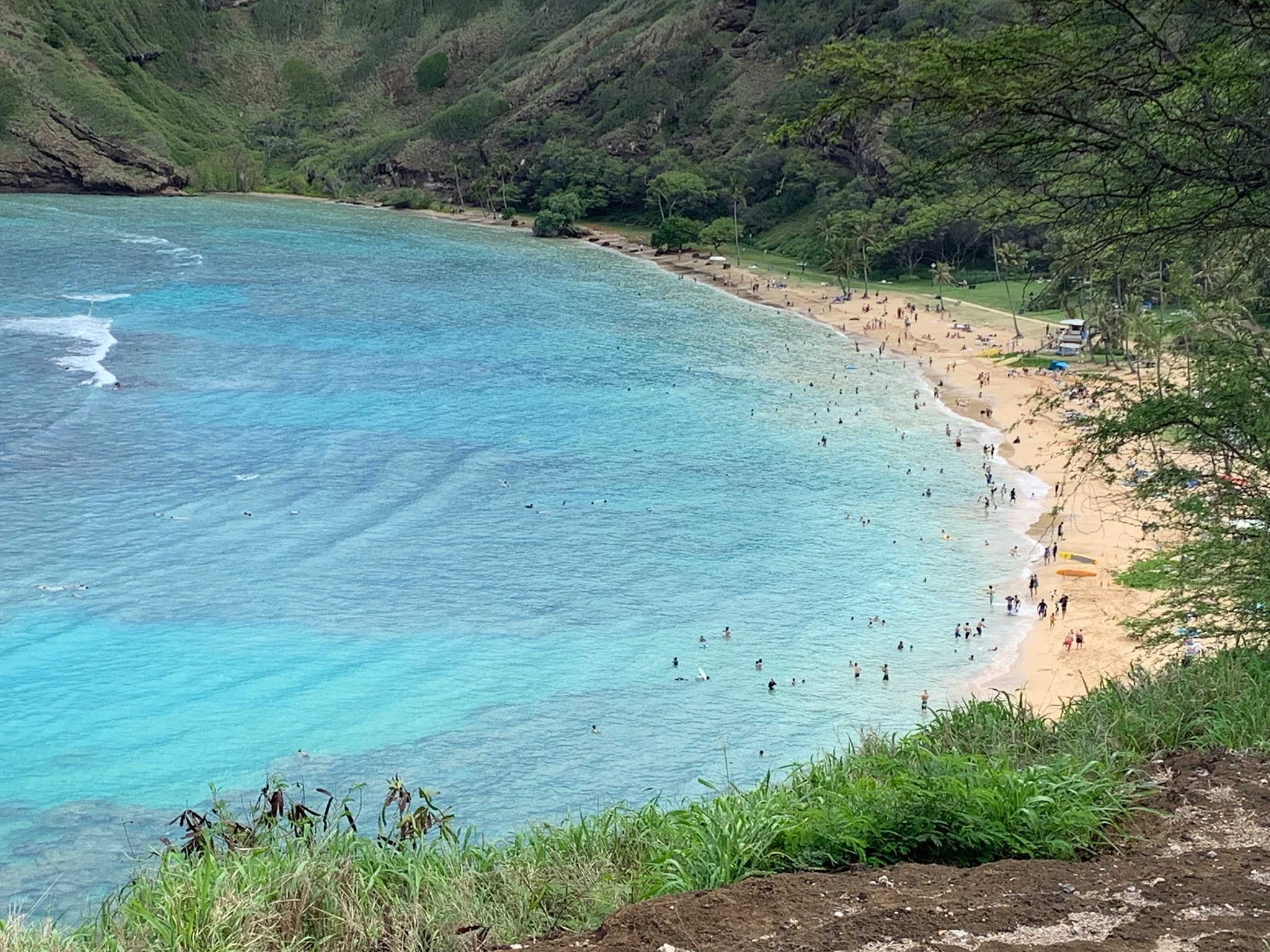
- Hanauma Bay Nature Preserve — One of the best snorkeling spots in Hawaii. You must watch a short marine education video before entering the water. Arrive right at opening — parking fills fast and the bay gets crowded by midmorning.
- 📍 East Oahu, Hawaii Kai area
- ⏱ 3–4 hours
- ⚠️ The bay has a shallow reef shelf and surge near the edges. Stay in the central sandy channel if you're not a confident swimmer. Don't stand on or touch the coral. Wear reef-safe sunscreen only — it's required and enforced.
Afternoon
- Halona Blowhole & Halona Beach Cove — Quick stop on the way back from Hanauma Bay. The blowhole is impressive when surf is up, and the cove below is scenic.
- 📍 East Oahu
- ⏱ 30–45 minutes
- ⚠️ Do not climb down to the cove when surf is rough. Waves can surge up the rocks without warning.
Evening
- Waialae Avenue, Kaimuki — Return to Kaimuki for a relaxed evening. Browse the strip and grab dessert after dinner.
- 📍 Kaimuki
- ⏱ 2 hours
Eats
- Breakfast: Kaimuki Superette — Small neighborhood cafe with solid coffee and breakfast plates
- Lunch: Zippy's — Local chain that's a genuine institution; try the chili and saimin
- Dinner: The Pig & the Lady — Vietnamese-inspired, locally sourced; great for groups and one of Honolulu's most talked-about restaurants
Day 5: North Shore
Morning
-
Haleiwa Town — Start your North Shore day in Haleiwa. Walk the main strip, browse surf shops, and get shave ice before the day heats up.
- 📍 Haleiwa, North Shore
- ⏱ 1–1.5 hours
-
Waimea Bay Beach Park — One of the most beautiful beaches on the island. In summer, the water is calm enough to swim. In winter, massive surf makes swimming dangerous.
- 📍 North Shore
- ⏱ 1–2 hours
- ⚠️ In winter months (October–April), Waimea Bay can see waves 20–30 feet high. Do not swim when lifeguards close the beach. Even in summer, check conditions before entering.
Afternoon
- Sunset Beach & Ehukai Beach Park (Banzai Pipeline) — Walk the shoreline and watch surfers if there's any swell. Even in summer, this stretch of coast is worth seeing.
- 📍 North Shore
- ⏱ 1 hour
- ⚠️ The shore break here is powerful year-round. Don't enter the water unless conditions are clearly calm and lifeguards are present.
Evening
- Luau — Paradise Cove Luau — One of the largest and most established luaus on Oahu, located on the west side. Includes imu ceremony, dinner buffet, and a Polynesian show. Transportation from Waikiki is usually available — confirm when booking.
- 📍 Ko Olina, West Oahu
- ⏱ 4–5 hours
Eats
- Breakfast: Kono's Northshore — Haleiwa staple; breakfast burritos and plates, usually with a line worth waiting in
- Lunch: Giovanni's Shrimp Truck — The original North Shore shrimp truck; garlic shrimp plates are the move
- Dinner: Included at the luau buffet
Day 6: Kailua & Windward Coast
Morning
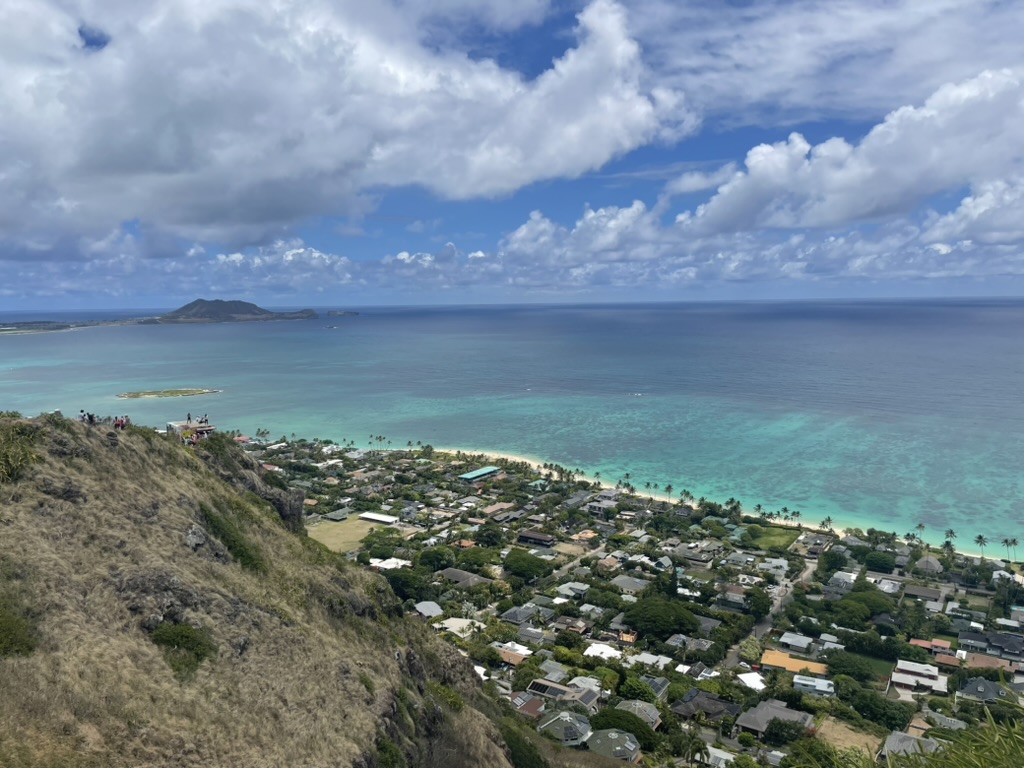
- Kailua Beach Park — Consistently ranked among the best beaches in the US. Wide, calm, turquoise water — ideal for swimming, kayaking, or just sitting. Arrive early for parking.
- 📍 Kailua, Windward Oahu
- ⏱ 2–3 hours
- ⚠️ Kailua Bay is generally calm, but trade winds can pick up in the afternoon and create choppier conditions. If you're renting a kayak to paddle to the Mokulua Islands, go in the morning before wind increases.
Afternoon
-
Kailua Town — Walkable, low-key beach town with good shops, local boutiques, and a relaxed vibe. Browse Kailua Road and the surrounding blocks.
- 📍 Kailua
- ⏱ 1.5–2 hours
-
Nuuanu Pali Lookout — Stop here on your drive back to Honolulu. The views over the Windward Coast from the Ko'olau cliffs are dramatic and worth the short detour.
- 📍 Nuuanu / Pali Highway
- ⏱ 30–45 minutes
- ⚠️ Wind at the lookout can be extremely strong. Hold on to hats, glasses, and anything loose. Keep a grip on children.
Evening
- Beretania Street / Downtown Honolulu — Last night in Honolulu. Head downtown or back to a favorite neighborhood for a final dinner.
- 📍 Downtown Honolulu
- ⏱ Evening
Eats
- Breakfast: Cinnamon's Restaurant — Kailua breakfast institution; known for guava chiffon pancakes and red velvet waffles
- Lunch: Kalapawai Market — Neighborhood deli and market in Kailua; great sandwiches and local products
- Dinner: Livestock Tavern — Chinatown restaurant with a strong cocktail program and solid food; good send-off dinner for a group
Getting Around
Rental car is the right call for this itinerary. North Shore, Kailua, Pearl Harbor, and Hanauma Bay are all difficult or time-consuming to reach without one. Book in advance — rates climb fast.
TheBus works well for getting between Waikiki, Chinatown, and Ala Moana if you don't want to deal with parking on those days. Flat fare, reliable on main routes.
Rideshare (Uber/Lyft) is useful for nights out when you don't want to drive or find parking. Both operate across Oahu, though wait times can be longer in less central areas.
Parking in Waikiki is expensive. If you're staying there, consider leaving the car parked at your hotel on days you're staying in the neighborhood.
Best Apps
- Google Maps — Navigation and traffic; most reliable for Oahu driving
- Waze — Better for real-time traffic alerts, especially on H-1 during rush hour
- DaBus2 — Real-time TheBus tracking and route planning
- Hawaii Beach Safety — Official state app with daily ocean condition reports and beach closures
- GasBuddy — Gas prices on Oahu are high; this helps you find the cheapest stations near you
Weather & What to Pack
Summer (June–September): Hot and humid, with daytime highs in the mid-to-upper 80s°F. Trade winds keep it tolerable near the coast. Rain is possible but usually brief. The North Shore is calmer in summer — better for swimming. Winter brings larger surf on the North Shore and occasional heavier rain on the Windward side.
What to pack (beyond the basics):
- Reef-safe sunscreen — required at Hanauma Bay and better for all Hawaii beaches
- Water shoes — useful for rocky entries at snorkel spots
- A light rain jacket or packable layer — evenings can be cool, and brief showers happen
- Dry bag — for beach and kayak days
- Reusable water bottle — you'll drink a lot in the heat
- Modest cover-up — for entering temples, some restaurants, and cultural sites
- Small flashlight or headlamp — for Diamond Head's tunnels
Safety on Oahu
Ocean currents and shore break are the most serious hazards. Hawaii's beaches are not all the same — a calm beach in summer can be dangerous in winter. Always check posted signs and flag conditions before entering the water. Yellow flags mean caution; red flags mean stay out.
Rip currents: If caught in one, don't swim against it. Swim parallel to shore until you're out of the current, then swim back in.
Shore break: Waves that break directly on the sand can snap necks and break bones. This is not an exaggeration — it happens every year. Don't bodysurf or dive into shore break unless you know what you're doing.
Sun: The UV index in Hawaii is extreme. Sunscreen, hats, and shade matter more here than most places. Reapply every two hours, especially after swimming.
Valuables in cars: Rental cars are targeted. Don't leave anything visible in your car, especially at trailheads and beach parking lots. Take valuables with you or leave them at the hotel.
Hiking: Stick to marked trails. Oahu has had serious accidents and fatalities on unofficial or illegal trails. Don't climb barriers or ignore warning signs.
Money-Saving Tips
- Eat plate lunches. A two-scoop plate lunch from a local spot (Rainbow Drive-In, Zippy's, or a food truck) runs $10–$14 and is genuinely filling. It's also some of the most authentic food you'll eat on the island.
- Hanauma Bay is cheap. Entry is $25/person — one of the best snorkel experiences in Hawaii for that price. Gear rental is extra; bring your own if you can.
- Hit happy hours. Many Honolulu restaurants and bars have 4–6 PM happy hours with discounted drinks and food. Chinatown and Kaimuki are both good for this.
- Use free beaches. All beaches in Hawaii are public. Kailua Beach, Ala Moana Beach Park, and Waimea Bay are all free — the only cost is parking.
- Free parking at Kailua Beach. Street parking on Kawailoa Road near Kailua Beach is free if you arrive early. The paid lot fills fast.
- Skip the resort breakfast. Hotel breakfast in Waikiki is marked up significantly. Walk five minutes to a local cafe or grab something from a nearby ABC Store or farmers market.
- North Shore shrimp trucks over sit-down restaurants. A full shrimp plate at Giovanni's runs around $15. It's better than most $40 seafood plates in Waikiki.
Aloha — enjoy every mile of it.